Currently in development
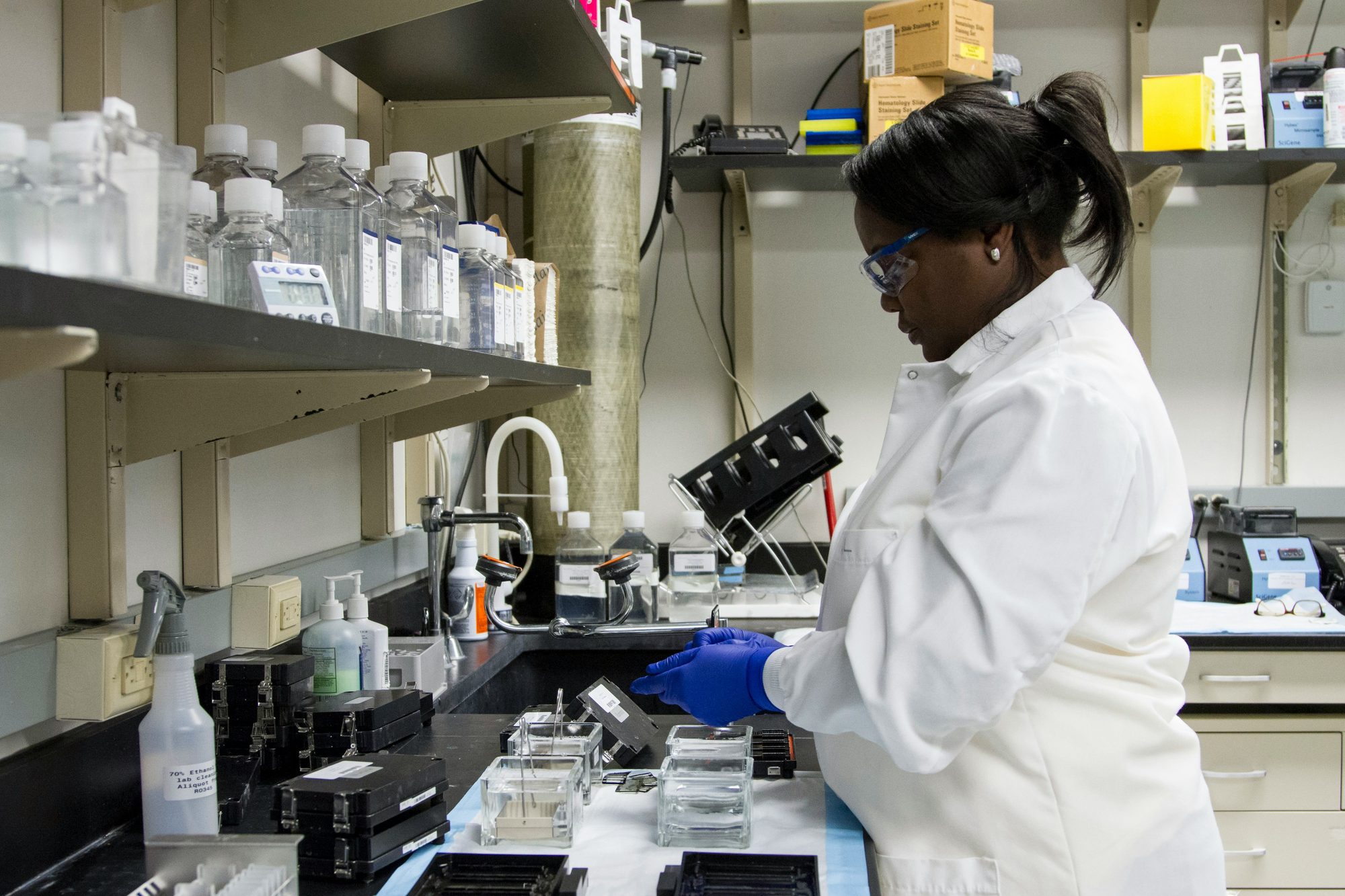
Benchpal is an AI troubleshooting copilot we're developing, dedicated to helping researchers in under-resourced settings keep science moving and to make health research equitable.
In well-resourced labs, researchers have access to lab managers, technicians, postdocs, and PIs. In under-resourced settings, that support network doesn't always exist. We've experienced how researchers in these settings sometimes must act as lab managers, technicians, and everything in between.
We build tools that give a single researcher, wherever they're located, a second expert opinion — so good science doesn't depend on who happens to be down the hall. Benchpal reasons over your protocol, instrument, and reagents, so a researcher standing at the bench gets a concrete next step, in the inevitable moment an experiment stalls.
Currently, AIs are being developed to support research in well-resourced contexts like the pharmaceutical industry — built where the bottleneck is speed on top of infrastructure that already exists. We're building for the opposite gap: not only to help researchers move faster, but to also act as a second, expert pair of eyes where there may not have been one.
Every researcher deserves the tools to do the science they're capable of.
Benchpal grew out of our time running clinical trial studies across trial sites in Zambia and Zimbabwe — work where the science was strong and the constraint was never ability, it was access to the right expertise in the moment it was needed.
We're building Benchpal so that the next generation of researchers facing a stalled experiment don't have to wait for an email reply from a different timezone.
The diseases studied in these settings are usually under-researched and under-resourced. As AI and biological research converges, we want to make sure it doesn't just help big pharma's bottom line. We want to support research that benefits everyone.
How it works
The failed gate, the flat standard curve, the smear where a band should be — describe it the way you'd describe it to a labmate.
It reasons over your protocol, instrument, and reagents to rank the handful of causes that actually fit — not a generic troubleshooting list.
A specific thing to check or try next, so the samples keep moving instead of waiting on a reply.
Who it's for
Scientists running their own bench for the first time, without a postdoc two benches over to ask.
Sites running a shared protocol at distance from the coordinating lab that wrote it.
Where equipment is shared, serviced infrequently, and you have to be creative with troubleshooting.
Where a delayed answer means a delayed readout for the whole trial.
Our team
Founder
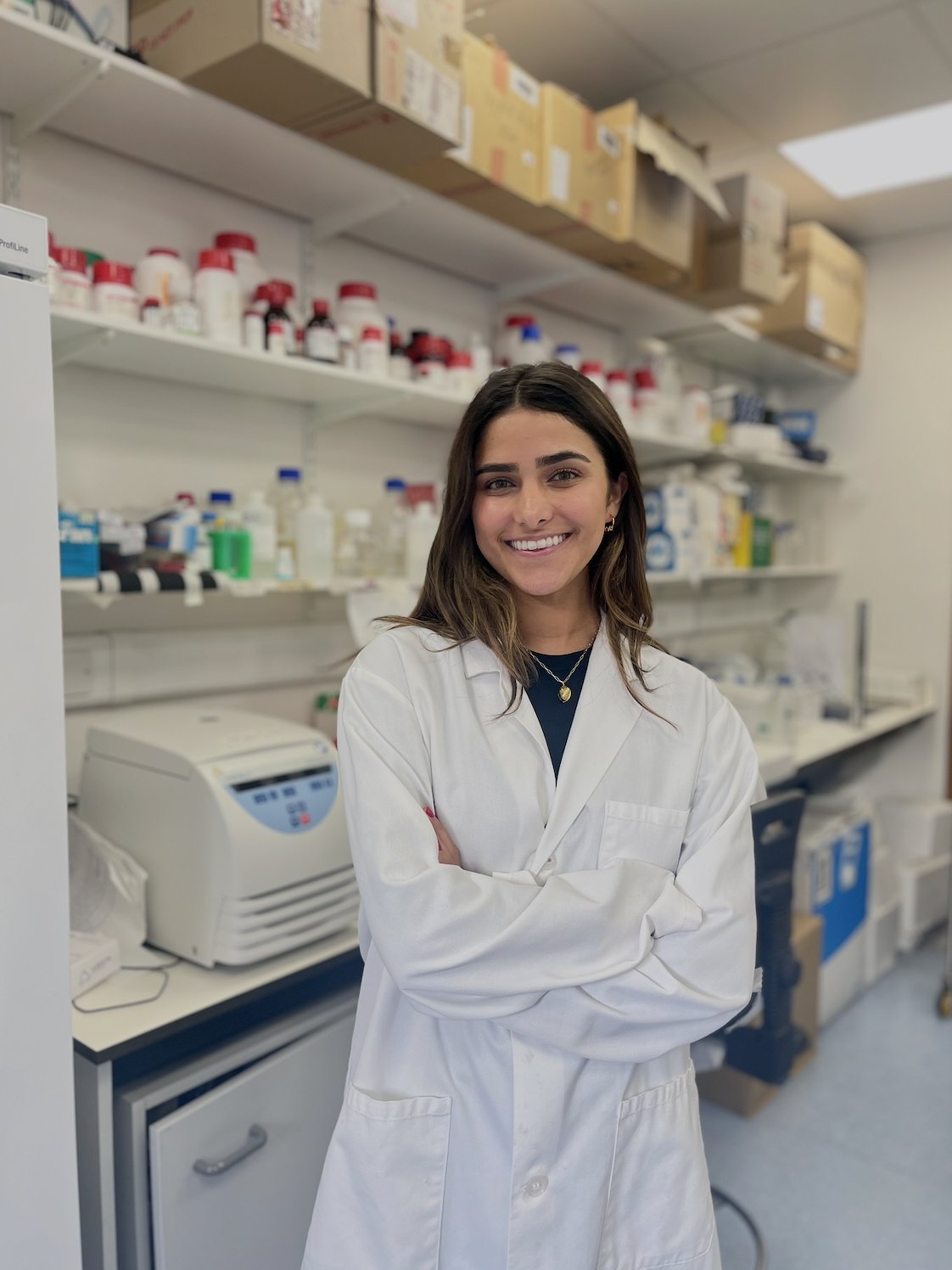
Emily is an experimental immunologist working in paediatric HIV immunology and clinical trial research. Her doctoral work was embedded in the VITALITY randomised controlled trial, across sites in Zambia and Zimbabwe, where she led T-cell immunophenotyping and Luminex multiplex biomarker sub-studies.
That fieldwork is where Benchpal comes from: watching strong science slow down not for lack of skill, but for lack of a fast route to the right troubleshooting answer.
We want to hear from researchers doing science in under-resourced settings. What problems do you most often face as a researcher in the lab? How can we help? Or, if you just want to get in touch, send a message below. We typically respond within a day or two.